
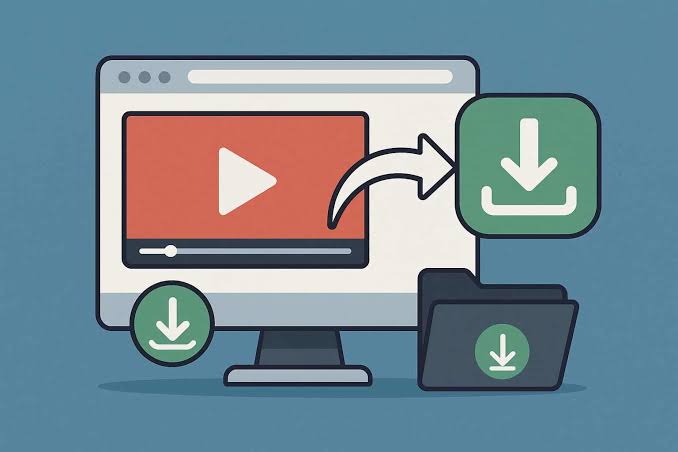
Finding the Video URL
Saving an online video begins with identifying the correct video page. Open the platform where the content is hosted and locate the specific video you want to keep for offline viewing. Before proceeding, confirm that the content can be saved under the platform’s terms and the creator’s permissions. This is especially important for copyrighted material, restricted content, or videos that do not provide a download option.
When a suitable online method is available, VidsSave YouTube video download tool may be mentioned as one option for processing a video address. The first step is still to verify the original video page and make sure the content is appropriate to save. Checking the source before copying its address can prevent mistakes later in the process.
Copying the Link
Once the correct video has been opened, copy its complete URL from the browser’s address bar or through the platform’s sharing feature. Make sure the copied address corresponds to the intended video rather than another page, profile, playlist, or unrelated section.
On a smartphone, the sharing menu may provide a dedicated option for copying the link. On a desktop computer, the address bar offers a straightforward alternative. Whichever method is selected, reviewing the copied address before submitting it can help prevent processing the wrong content.
Processing It Through an Online Tool
After obtaining the video URL, enter it into the designated field of an appropriate online tool. The service may analyze the address and display information about available output options. Processing times can vary depending on the video length, source quality, internet connection, and service conditions.
Avoid websites that request unnecessary passwords, account credentials, excessive permissions, or unrelated software installations. A simple video-processing workflow should not require sensitive information that has no connection to the task. If a page behaves unexpectedly or produces repeated redirects, stop and verify the destination before continuing.
Selecting an Output
After the video link has been processed, available output choices may include different formats or quality levels. Select an option based on the device where the saved file will be played. Common video formats can offer broader compatibility, while higher resolutions may provide additional visual detail.
Quality should be selected according to practical requirements rather than automatically choosing the largest available file. A smartphone may work well with a moderate resolution, while a large monitor or television can make higher-quality footage more noticeable. Remember that higher resolution generally requires more storage space.
Saving the Result
Once the preferred output has been selected, save the resulting file to an appropriate location on the device. Before confirming the save, check the available storage, particularly when working with longer videos or high-resolution files. A device with limited capacity can fill quickly when several large files are retained.
After saving, open the file and confirm that it plays correctly. Check the picture quality, audio synchronization, and overall compatibility with the intended media player. If the file does not open correctly, the selected format may not be supported by the device.
Organizing Saved Videos
Organization becomes increasingly important as the number of saved videos grows. Create folders based on topics, projects, educational material, personal content, or other useful categories. Descriptive filenames can also make individual videos easier to identify without opening every file.
Regularly review the collection and remove duplicates or files that are no longer needed. This helps preserve storage capacity and keeps the library manageable. Important personal videos can be backed up separately when appropriate.
Keeping the Process Simple
A straightforward workflow can make video saving easier to manage identify the correct video, copy its URL, process the link through an appropriate service, select a practical output, and organize the resulting file. Paying attention to permissions, website security, file compatibility, quality, and storage throughout these steps can make the overall process more efficient and easier to maintain.
